Buy / Multi-family buildings

Buy a multi-family building

Live in one unit, or own the whole income stream.
THE SHORT ANSWER

Multi-Family Buildings, explained

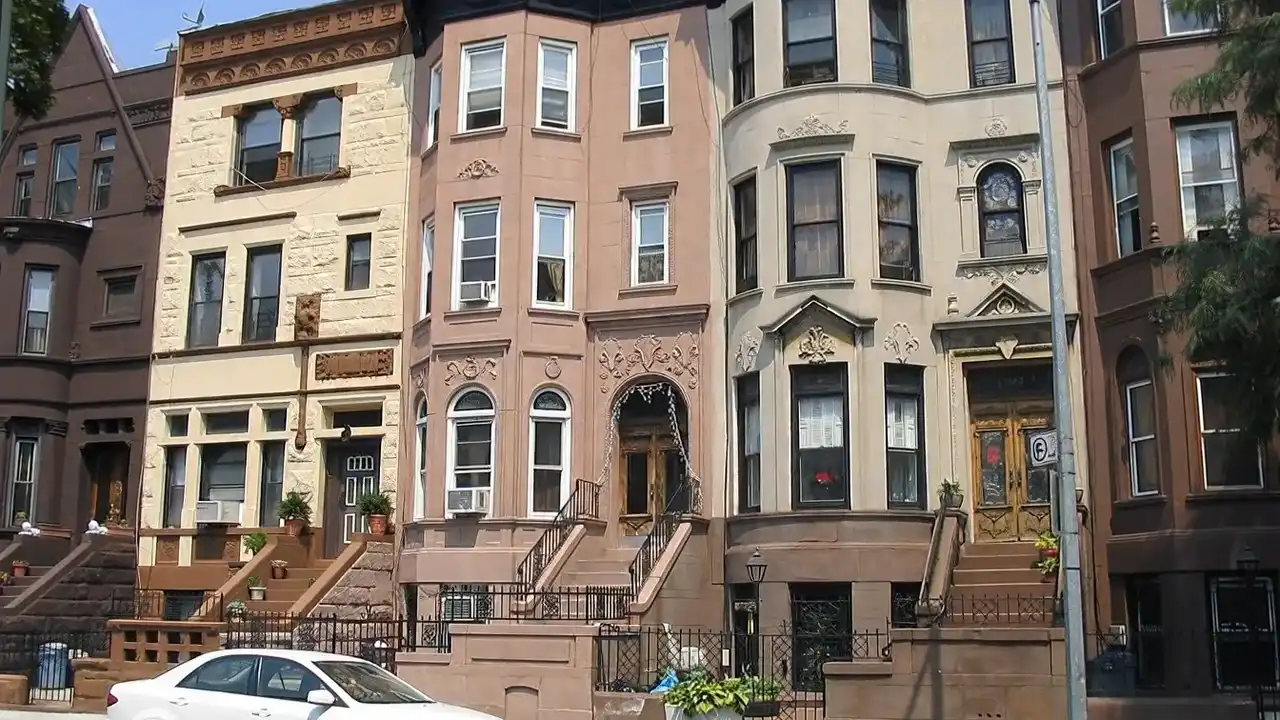
A multi-family building combines a home and an investment. Two- to four-unit properties can often be financed with residential mortgages, especially if you live in one unit, while five units or more usually need commercial financing and a full income analysis.

2–4 UNITS
Residential financing
5+ UNITS
Commercial financing
KEY NUMBER
Net operating income

Two to four units or five-plus

Owner-occupied two- to four-family homes can qualify for residential loans, including FHA programs with lower down payments. Rental income from the other units may help you qualify.

Buildings with five or more units are valued mainly on their income and usually require commercial loans with larger down payments and shorter terms.

Know the rent rules

In New York City, many buildings with six or more units built before 1974 contain rent-stabilized apartments, which limit rent increases and lease terms. Confirm each unit’s status before relying on projected rents.

Florida has no rent control, but every lease, deposit and notice still follows the state’s landlord-tenant law.

Run the numbers

Start with actual rents, vacancy, taxes, insurance, utilities, repairs and management to find net operating income. Divide it by the price to compare buildings by cap rate.

Ask for the rent roll, leases, deposits held and two years of operating statements, and verify them against bank records.


Due diligence that protects you

Order a building inspection, check permits and certificates of occupancy, and search for open violations.

Review existing leases carefully: tenants and their rights come with the building when you buy it.

Multi-Family Buildings: questions, answered.

Can I buy a multi-family home with a small down payment?

If you will live in one of the units, FHA loans allow as little as 3.5% down on two- to four-unit properties for qualified borrowers.

A list of every unit with its tenant, rent, lease dates and deposit, used to verify a building’s income.

In New York you can request the apartment’s rent history from the state’s Homes and Community Renewal agency, and the seller should disclose regulated units.

It depends on location, condition and interest rates; compare buildings in the same area rather than relying on a single target number.

More on buying

Co-ops, condos and the building behind the door.

Space, land and the responsibilities that come with them.

A second home in the city, chosen for how often you will use it.

Buying from the sponsor, sometimes before the building is finished.

How Siferot helps you buy in New York and Florida.

START A CONVERSATION

Talk to Siferot about multi-family buildings.

Tell us what you are planning and where, and we will help you weigh the options in New York or Florida.

NEW YORK & FLORIDA
OUR PLACES

Two states.
Many ways to live.