New York / Manhattan / Real estate guide

Tribeca

Homes, transport and local life.

Neighborhood overview

Tribeca is a Lower Manhattan neighborhood where a home search can connect historic streets with the Hudson River waterfront. Start with the building, then walk the routes that would make it part of your everyday life.

SETTING
Lower Manhattan
LOCAL ANCHOR
Duane Park
RIVERFRONT
Piers 25 and 26

Supplied ZIP search coverage: 10013, 10007. ZIP codes supplied for this search area; postal and neighborhood boundaries are not identical. Verify the individual address.

A street worth walking slowly.

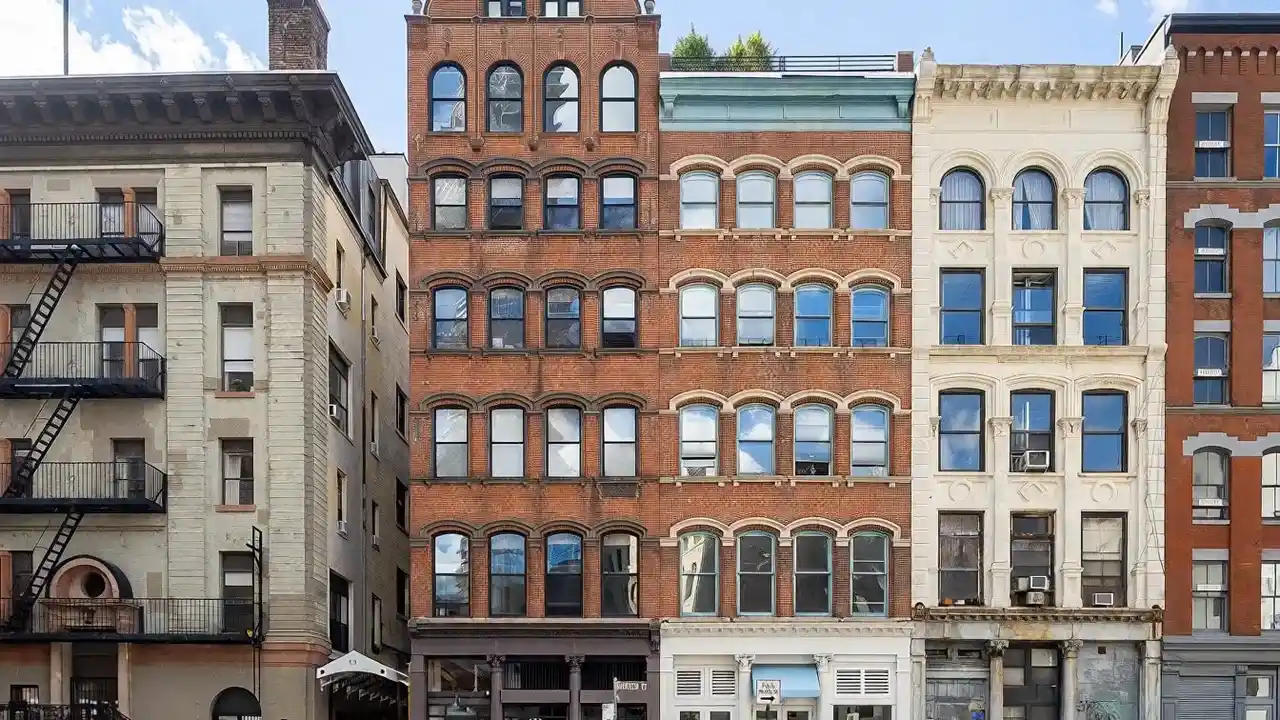
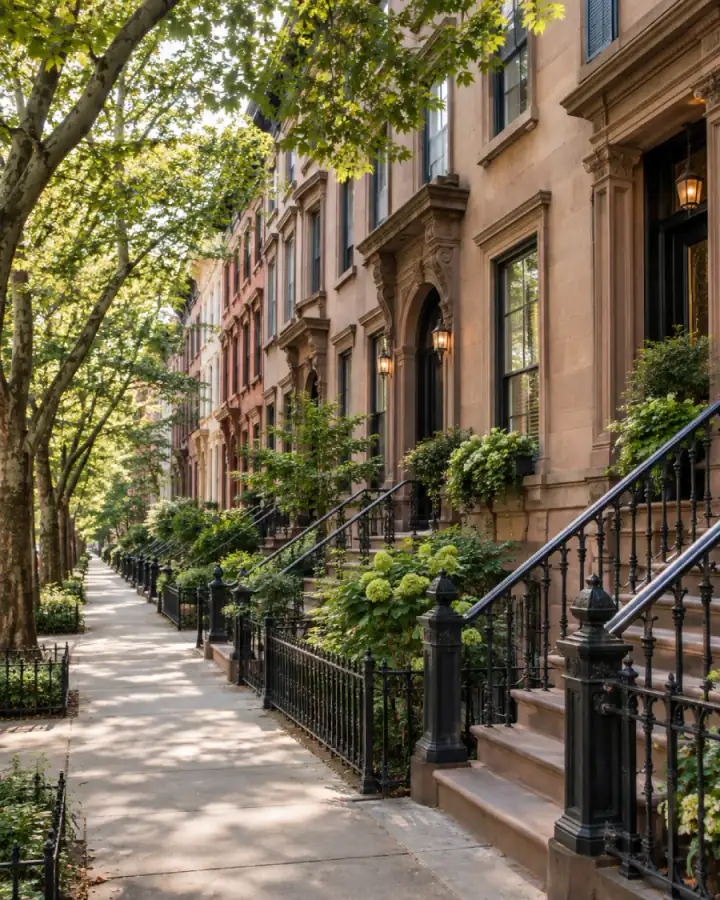
The Tribeca West historic district follows Hudson Street, with Duane Park at its heart. That is a useful starting point for seeing the neighborhood at street level, before turning a particular façade or floor plan into a shortlist.

If you are considering an older building, look closely at the home itself: elevator access, room proportions, available light and the relationship between living space and the street. Ask advisers to check the property’s designation and documents before making renovation plans.


Make the river part of the visit.

Hudson River Park’s Tribeca stretch includes Piers 25 and 26. Pier 26 brings the river’s ecology into the experience of the waterfront. These are specific places to visit, rather than a reason to assume that every Tribeca address offers the same outlook or access.

Walk from each candidate building to the water. Include crossings, your preferred entrance and the return journey. Then try the route you would use for work or regular appointments; the neighborhood name cannot answer those practical questions for you.

A useful shortlist has details.

Bring the same questions to each viewing: How does the layout work with your furniture? Where would you work at home? What can you hear with windows open and closed? Record what you observe while the visit is fresh.

Buyers can use that record to compare the home and its building documents. Renters can ask about the specific lease and move-in arrangements. Sellers can prepare a clear account of their property’s layout, condition and improvements, without borrowing a neighborhood-wide price claim.

Public transport connections

Use the Franklin St station entrance at Franklin Street and Varick Street as one reference point when comparing routes.

Check current services, accessibility and the connection from the actual home in Tribeca. Include the final walk and any onward interchange when testing the journey.

Homes and property questions

North Tribeca’s 2013 planning record shows former industrial and commercial lofts adapted for residential and artist live-work use, alongside smaller five- and six-story residential buildings on some narrow streets. Compare the particular loft or apartment through its own layout and documentation.

Buy, rent or sell in Tribeca

Tell us your budget, timing and property requirements.

Buy

Share your priorities and timing for a home in Tribeca. Bring the address or property questions you would like to understand before deciding.

Rent

Tell us your move-in date, budget and the practical details your next home in Tribeca needs to support.

Sell

Begin with your Tribeca property, its condition and your plans. We can discuss the information needed before a sale.

Questions about Tribeca

Where is Tribeca?

Tribeca is in Lower Manhattan and is recognized as a distinct neighborhood by Manhattan Community Board 1. Postal ZIPs overlap neighborhood names, so use the individual address when checking a property.

Piers 25 and 26 are in Hudson River Park’s Tribeca section. Walk to them from the particular home you are considering to test how the waterfront fits your routine.

Ask advisers to confirm the building’s designation, its documents and how any proposed work would be assessed. A neighborhood label alone does not establish a property’s status.

Nearby area guides

Read the Hudson Square guide.

Read the SoHo guide.

Read the Battery Park City guide.

NEW YORK & FLORIDA
OUR PLACES

Two states.
Many ways to live.